
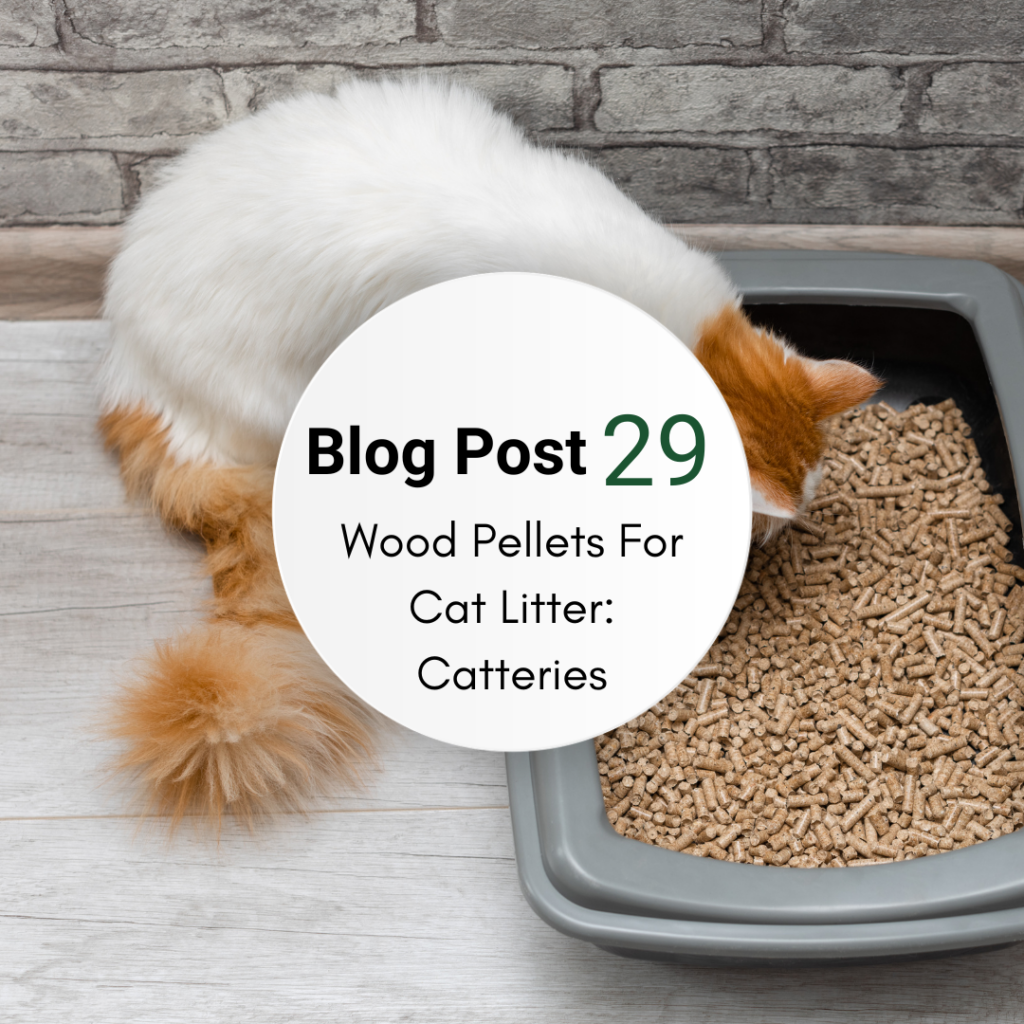
How to Use Wood Pellets for Cat Litter
And Why More Catteries Are Switching
Wood pellets for cat litter offer a practical alternative to traditional clay-based litters, especially for catteries and multi-cat households.
When you manage several cats, litter affects far more than the tray itself. It influences daily cleaning, odour control, dust levels, storage, ordering and the overall working environment.
This guide explains how wood pellets work as cat litter, how to use them properly, and why more UK catteries now consider pallet supply as a more reliable and cost-effective option.
The reality of litter at cattery scale
Litter feels easy to overlook when you manage one or two cats at home.
In a cattery, it becomes part of the daily operation.
You need to manage multiple enclosures, repeat the same cleaning routines, monitor stock levels and keep each space fresh, clean and comfortable for both cats and staff.
That is where the type of litter starts to matter.
Why litter choice matters more in catteries
Dust builds up quickly when staff pour, scoop and change trays throughout the day. If the litter relies heavily on fragrance, odour can also become inconsistent, especially across multiple trays.
Cost matters too. When you only buy litter in smaller retail bags, the price can creep up quickly, and frequent reordering adds more admin to the day.
For catteries, litter needs to do more than absorb moisture. It needs to stay practical, easy to handle, simple to top up and cost-effective to keep in stock.
That is often the point where operators start looking for a more stable, lower-dust and easier-to-manage alternative.
Why wood pellets behave differently
Wood pellets do not work in the same way as clumping cat litter, which is where most of the confusion comes from.
Instead of forming a clump, the pellets absorb moisture and gradually break down into sawdust. That sawdust holds the liquid and helps contain odour, while the unused pellets stay dry and intact above it.
You do not need to dig through the tray looking for hidden clumps. Instead, you manage clear layers: fresh pellets on top and used sawdust underneath.
Once you have seen the process in action a few times, it becomes much easier to understand. The tray shows you what needs removing, what can stay and what simply needs topping up.
Why consistency matters
SDL produces wood pellets to a high-grade standard, with low dust content and consistent pellet quality.
For catteries and multi-tray environments, that consistency matters. The more predictable the material is, the easier it becomes to repeat the same cleaning process across multiple trays every day.
How to use wood pellet cat litter properly
Wood pellet cat litter works best when you use it differently to clumping litter.
The main mistake is filling the tray too deeply or expecting the pellets to form clumps. Wood pellets absorb moisture, expand and break down into sawdust. Once you understand that, the process becomes much simpler.
Start with a shallow layer
Start with a shallow layer of pellets, usually around two to three centimetres across the base of the tray.
Using more than this does not necessarily improve performance. It can simply mean you throw away more unused pellets when you clean the tray.
Remove used sawdust and top up
As the tray gets used, the pellets that absorb moisture begin to break down at the bottom. The dry pellets on top can continue to do their job, so you do not need to empty the whole tray every time.
Remove solid waste daily, as you would with any cat litter.
The main difference comes from how you manage wet material. Every day or two, depending on the number of cats and how heavily the tray gets used, remove the broken-down sawdust. This is where most of the moisture and odour sits.
A sifting tray can make this easier because it separates the dry pellets from the used sawdust underneath. A standard scoop can also work once you get used to the routine.
After removing the used material, top the tray back up with fresh pellets. You do not need a full refill each time. You only need to replace what the tray has used.
Refresh the tray regularly
You should still empty, clean and fully refresh the tray regularly.
In a cattery or multi-cat environment, you may need to do this more often because the trays get heavier use. In a home setting, the timing will depend on the cat, tray size and cleaning routine.
Once the system feels familiar, wood pellet litter becomes straightforward to manage. Instead of digging through the tray for hidden clumps, you remove solid waste, clear the broken-down sawdust and top up only what you need.
What actually improves day to day
The first change most people notice is the air.
Lower dust in daily handling
SDL produces higher-grade wood pellets with low dust content, which can make a noticeable difference in enclosed or high-use litter tray environments.
That does not mean zero dust. Once pellets absorb moisture and break down, they naturally turn into sawdust. However, wood pellets usually create less loose airborne dust during pouring and handling than many traditional clay-based litters.
Clay litter quality varies, and some premium clay products market themselves as low dust. Even so, many clay-based litters still release fine particles when staff pour, scratch through or scoop the tray.
For a cattery, reducing loose dust is not just about comfort. It can help create a cleaner-feeling working environment, reduce residue on nearby surfaces and make day-to-day tray management feel less heavy and dusty for staff and animals.
A clearer cost comparison
Cost often drives the final decision.
Buying small bags can work at low volume. At cattery scale, it becomes less efficient. You reorder more often, run through stock quickly and usually pay more per kilo.
Wood pellets, particularly when bought in bulk, can bring that cost down in a way that is easy to measure.
At £6.64 for a 15kg bag, SDL wood pellets work out at around 44p per kg. That makes them a practical and cost-effective alternative to many traditional clay cat litters.
Wood pellets also usually need a shallower layer than clay because they expand as they absorb moisture. This means customers may not need to use as much product in the tray at one time.
Exact usage will depend on tray size, the number of cats and the cleaning routine. However, one 15kg bag can often go further than customers expect.
For everyday litter tray use, wood pellets for cat litter offer strong value as well as reliable absorbency.
For many catteries, this becomes the tipping point.
Biomass vs bedding pellets: what actually matters
This is one of the most common questions, and it often becomes more complicated than it needs to be.
In many cases, the pellets themselves may be very similar. The difference usually comes from how suppliers package, position and sell them.
Suppliers usually market biomass pellets for fuel use, while bedding pellets sit within the animal care market.
What matters in practice is the quality of the pellet.
Lower-grade pellets can break down inconsistently, create more dust and make the tray harder to manage. That matters when you deal with one tray at home, but it matters even more when you repeat the same cleaning process across multiple trays every day.
Higher-grade pellets hold their form better, break down more predictably when wet and feel cleaner to handle.
At SDL, we produce our wood pellets to a high-grade standard, with a focus on consistency, low dust content and reliable performance.
For catteries and multi-cat households, that consistency can matter more than the label on the bag. When you use larger volumes, you need a product that behaves the same way every time.
Why pallet supply becomes the logical next step
Once your litter usage becomes predictable, buying bag by bag can quickly become inconvenient.
Frequent small orders create more admin, more deliveries and more pressure to monitor stock. They also increase the risk of running low at the wrong time, which is the last thing you need in a busy cattery environment.
Fewer orders and easier stock control
Pallet supply helps remove that background pressure.
With pallet supply, you keep stock on site, reduce delivery frequency and lower the cost per bag. Day-to-day planning also becomes easier because you are not constantly reacting to what is left in the store cupboard.
The change is not dramatic, but it is practical.
Half and full pallet options
Typical SDL supply options include:
Full pallet: 64 bags
Half pallet: 32 bags
For a cattery, this is not just about buying in bulk. It is about stability: reliable stock, consistent product and fewer interruptions to the daily routine.
Will cats actually use wood pellet litter?
In most cases, yes.
Some cats switch to wood pellets straight away. Others may need a short adjustment period, especially if they usually use a finer clay or clumping litter.
If a cat hesitates, a gradual transition usually works best. Start by mixing a small amount of wood pellets into the existing litter, then increase the ratio over time as the cat becomes familiar with the texture.
Most cats have no issue using wood pellet litter once they adjust to it.
For catteries, it may also help to trial the pellets in a small number of trays first. This gives staff time to learn how the material behaves before moving across fully.
Final thoughts
Wood pellet cat litter is not just a cheaper version of traditional litter. It works in a different way.
Instead of clumping, it absorbs moisture and breaks down into sawdust. You can then remove the used material while the clean pellets stay in place.
For catteries, that difference matters. Wood pellets can help reduce dust, support more stable odour control and make daily tray cleaning simpler. Over time, they can also lower litter costs in a way that is easy to measure.
That is why more high-volume users now consider wood pellets for cat litter as a practical alternative to traditional clay-based litter.
Next step
If you run a cattery or manage multiple cats, it is worth reviewing how you currently buy and use litter.
Look at how often you order, how much you use, how much waste you produce and how much time staff spend cleaning and refreshing trays.
Pallet supply offers a more consistent and cost-effective way to manage litter long term, especially when usage is already predictable.